
Anxiety Therapy
Individual Therapy for Anxiety in Kansas City & Missouri
In-person and online anxiety therapy for adults and teens (14+) seeking to understand their anxious thoughts patterns, reduce muscle tension, and reach new levels of calm, mindfulness, and relaxation.

What problems do we treat in Anxiety Therapy?
If you’ve ever experienced any of the following, therapy for anxiety can help:
Stress, anxiety, and worry that is difficult to manage or control
High functioning anxiety
Perfectionism or control issues
Work & financial anxiety
Relationship anxiety
Anxiety-related body pain and stiff muscles
Anxiety-related insomnia
Anxiety-related attention problems & ADHD with anxiety
Generalized Anxiety Disorder (GAD), Panic Attacks, Depersonalization & Derealization / DPDR
FAQs About Anxiety
-
Many of my anxiety clients come in with are frequent worry that is difficult to control, feelings of restlessness or feeling “keyed up” or “on edge,” easy fatiguability, difficulty concentrating or mind going blank, irritability, muscle tension, sleep problems and/or panic attacks.
-
I often tell my clients that panic attacks are one of the scariest feelings that you can feel (IYKYK). They come with all the usual dread of anxiety but multiplied to the nth degree. They are characterized by an abrupt surge of intense fear . And, while panic attacks are physically harmless, it can often feel absolutely certain that you are going to die or go completely insane. They don’t usually last long but can feel like they last forever when you’re in the middle of one.
-
Palpitations, pounding heart, or accelerated heart rate
Sweating
Trembling or shaking
Sensations of shortness of breath or smothering
Feelings of choking
Chest pain or discomfort
Nausea or abdominal distress
Feeling dizzy, unsteady, light-headed, or faint
Chills or heat sensations
Paresthesias (numbness or tingling sensations)
Derealization (feelings of unreality) or depersonalization (being detached from oneself)
Fear of losing control or “going crazy”
Fear of dying
-
Two other very scary symptoms that can go along with anxiety are depersonalization and derealization. Depersonalization is the feeling of being disconnected from your thoughts, feelings, and body. And, derealization is the feeling of being disconnected from your surroundings or environment. These symptoms can coincide with a panic attack or can occur separately and are often accompanied by a feeling of numbness, “going crazy,” or just overall disconnectedness.
-
“I feel as if I have no self”
“My head feels fuzzy inside or like it’s stuffed with cotton”
“I feel like a robot - I know I have feelings, but I don't feel them”
“My thoughts don't feel like mine.
“I feel like I'm watching myself from outside myself”
“Everything around me seems artificial, lifeless, or dead”
“It's like there is a glass wall between myself and the world”
“Things look blurry, like being in a dream or looking through a fog”
“Things look too large or too small”
“Sounds are muted or too quiet”
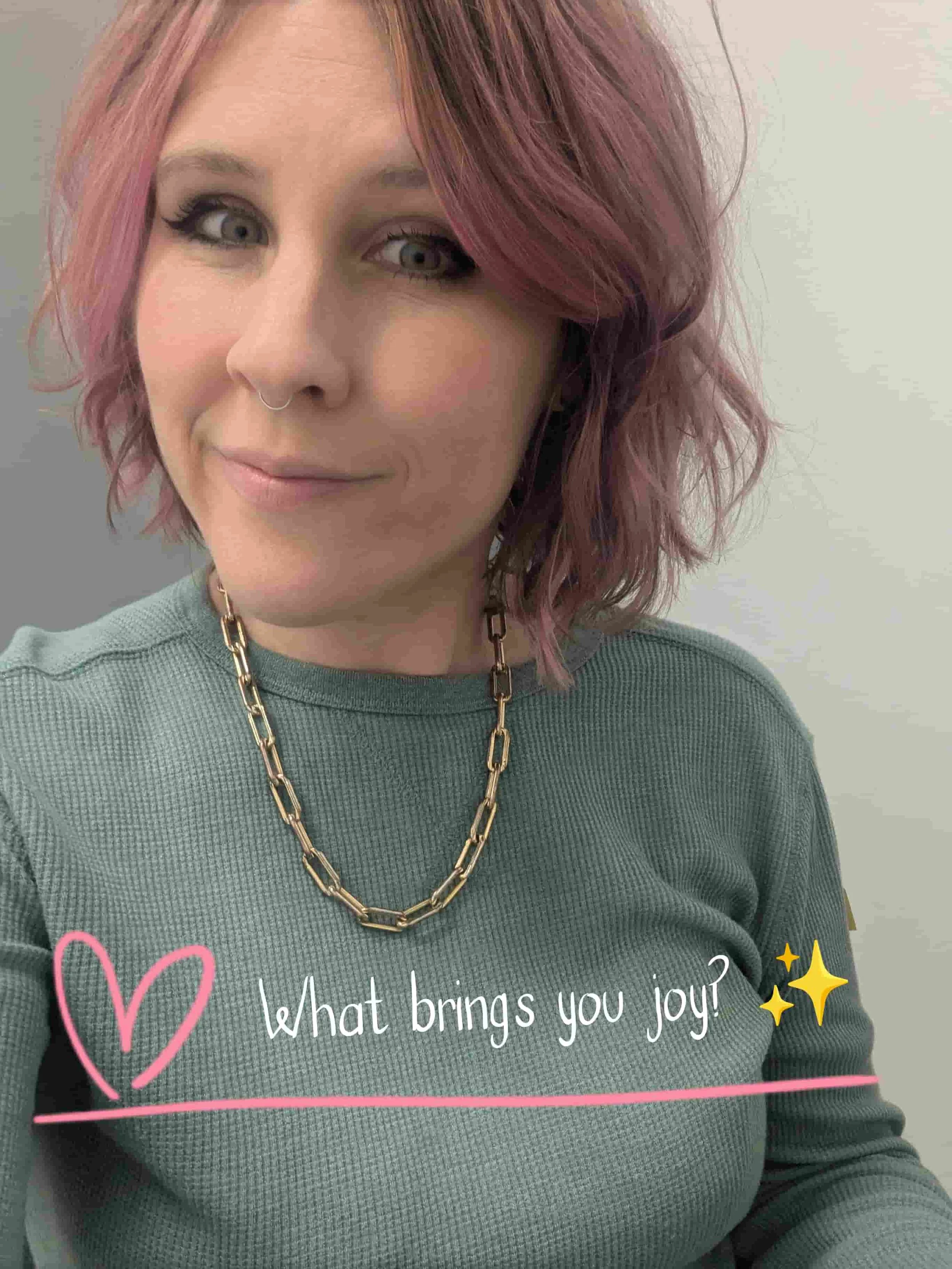
Meet Christin Trott, MS, LPC Anxiety Therapist

Hi, I’m Christin. I know how hard it can be to live with anxiety. That’s why I’ve developed a wealth of tools to help understand and manage anxiety.
I have extensive training in DBT emotion regulation / TIPP skills, mindfulness stress relief / meditation, and Behavioral Relaxation Training.
Together, we will use tools from each of these modalities to better understand anxious thoughts and create more balanced ways of thinking about yourself and the world. We will also work on ways to relax your mind and relax your body to lessen your anxiety cycle.
The overall result will be a calmer mind and a more relaxed body. Many of my clients also see improvements to their sleep, attention span, muscle pain, and headaches.
What are some ways that Anxiety Therapy can help?
Examine thought patterns that are tripping you up and whether they serve a function or not
Untangle the roots of these thought patterns when needed (if there is a trauma component)
Understand ways to set these thought patterns down when they’re not serving a function
Learn & practice mindfulness skills including non-judgmental awareness of the body, the senses, the breath and the overall present moment
Learn & practice relaxation techniques to relax muscle tension
Understand the physiology of anxiety, panic attacks, and/or DPDR
Identify & reduce panic attack and/or DPDR triggers
Learn & practice TIP skills for managing panic attacks and other anxiety crises